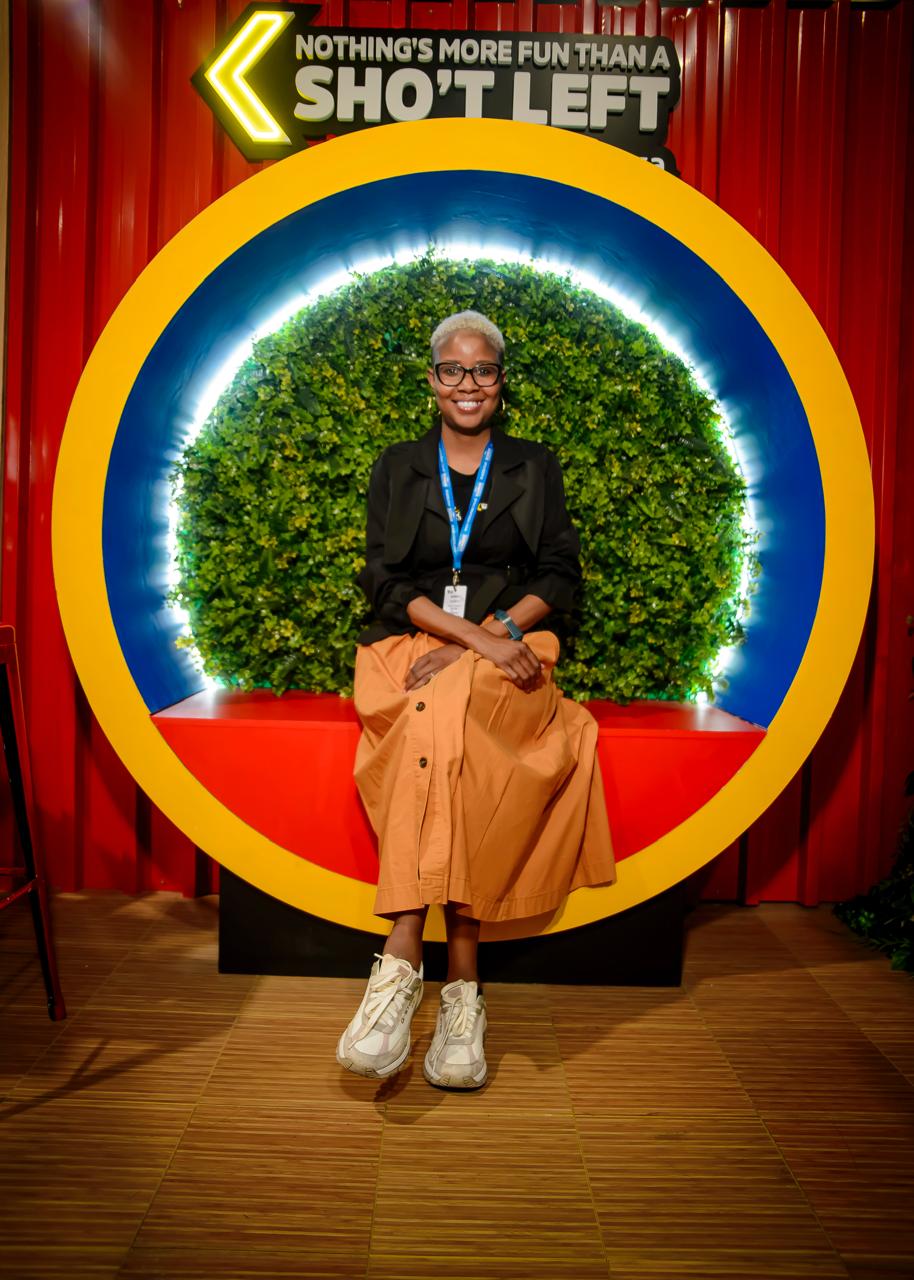
The buzz around Africa’s Travel Indaba in Durban last week was not only about international tourists and luxury travel packages. Behind the packed exhibition halls, cultural showcases and networking sessions was a growing push to convince ordinary South Africans that tourism is also for them.
Held in Durban under the theme “Unlimited Africa: Growing Africa’s Tourism Economy”, the continent’s biggest tourism trade show brought together government officials, tourism agencies, small businesses, travel buyers and media from across Africa and beyond. But throughout the week, one message repeatedly emerged from tourism leaders and exhibitors — South Africans themselves are becoming a major focus in efforts to grow the country’s tourism economy.
According to figures released by South African Tourism, the event attracted about 9,810 delegates, including 274 hosted buyers, 637 non-hosted buyers and 404 registered media representatives. Early projections estimate the event generated around R240 million in direct spending and R835 million in total tourism expenditure while supporting more than 1,122 jobs.
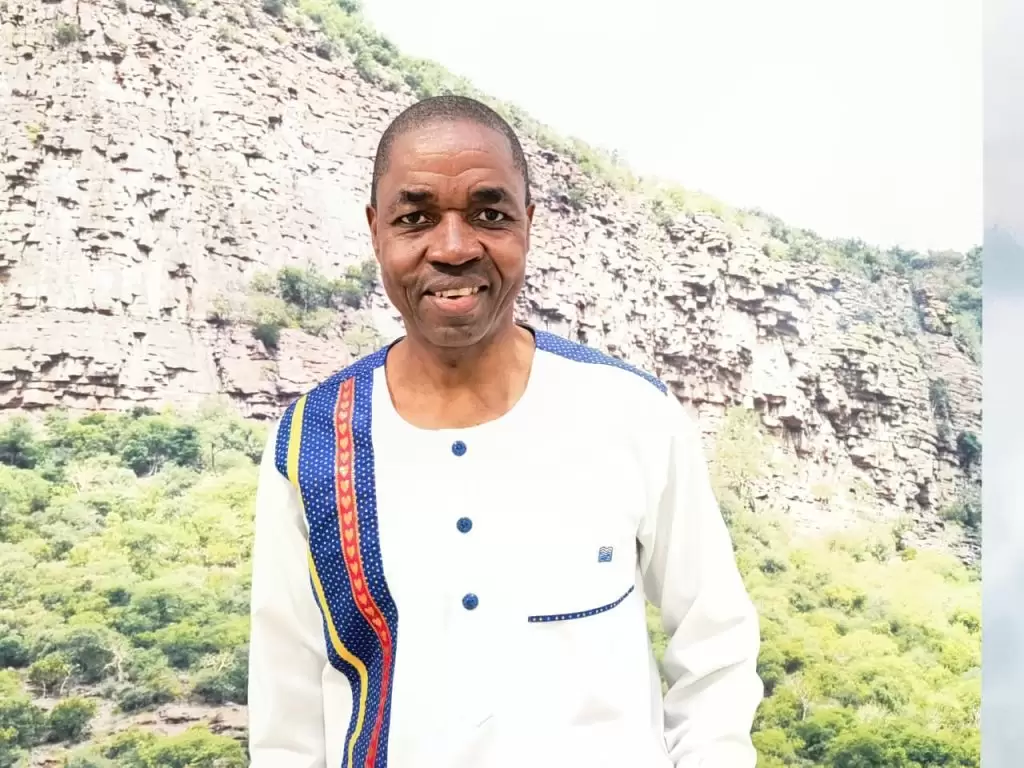
- CEO of the Limpopo Tourism Agency (LTA) Moses Ngobeni Picture by: Nomazulu Moyo
In a statement, South African Tourism Chief Convention Bureau Officer Corne Koch said the event demonstrated the importance of tourism as an economic driver across the continent.“Africa’s Travel Indaba 2026 has demonstrated the power of this platform to connect Africa to the world while delivering measurable value for our tourism economy,” Koch said.
“These figures are not just numbers, they represent trade opportunities, destination visibility, enterprise inclusion and long-term growth for Africa’s tourism economy.” The event also reinforced how tourism is increasingly being positioned as more than leisure travel. Across the exhibition floor, discussions focused on tourism’s ability to create jobs, support small businesses, empower communities and drive regional economic growth.
Speaking to Gauteng News at the event, Mashoto Mokgethi said domestic tourism is specifically focused on encouraging South Africans to travel within the country.“Domestic tourism is about promoting South Africa as a tourist destination to South Africans. It’s only targeted at South Africans, so it’s not targeted at any international market,” Mokgethi said.
She said South African Tourism has deliberately changed the way it markets destinations by ensuring that ordinary South Africans see themselves represented in tourism campaigns. “The whole purpose of it is to just ensure that we showcase the country in the way South Africans want to see themselves in the country,” she said.
“So even if you look at our images and everything, you will see that we are showcasing the country, showcasing it to the larger population of the country, so that they themselves can see themselves in ads. Because once they see themselves in ads, then it makes them want to actually be in that place.”

- Mashoto Mokgethi is the Head of Domestic Tourism at South African Tourism, Picture by: Nomazulu Moyo
For years, tourism marketing in South Africa has largely centred around internationally recognised destinations such as Cape Town, the Kruger National Park and Durban’s coastline. However, tourism authorities are now increasingly shifting attention towards township tourism, village tourism and cultural experiences that appeal to local travellers.
Mokgethi said South African Tourism recently partnered with an organisation called Satovito to showcase townships, villages and small towns. “We just went and did a full tour with them since Thursday. And that tour was to showcase townships, villages and small torpes,” she said.
“The purpose of that is obviously we’re building those particular areas so that people can see that those areas are also tourist destinations.” She acknowledged that many black South Africans often struggle to see townships as tourism destinations because they grew up there.“You know as black people, we speak and we think a township, I grew up there. So it’s not necessarily a tourist destination,” she said. “But we were trying to showcase that there actually are tourist destinations.” The tours included local food, cultural experiences and glamping activities in QwaQwa.
“We had great food, we showcased culture, we did a whole glamping experience in Kwakwa,” Mokgethi said. “It is to showcase that even the township can bring about tourism.” Street art and cultural tourism gaining ground.Tourism authorities are also increasingly using street art, fashion, food and music as part of tourism experiences, especially in urban areas such as Soweto and Maboneng.
Mokgethi said South African Tourism has incorporated art tours into broader cultural tourism offerings. “As part of culture, it’s food, it’s fashion, it’s art and culture, culture itself,” she said. “So we bulk it in that so that we showcase the vastness of what culture actually means.”
She explained that culture goes beyond traditional ceremonies and dance. “Some people, you know, when you think culture, you just think, you know, the ladies, the reed dance. But culture is a lot more than that.” While cultural tourism and art tours are growing steadily among international tourists, Mokgethi admitted that local participation remains lower.
“I would say it’s a lot more international than it is locally,” she said. Still, monthly art events and gallery experiences continue attracting visitors in major cities and are slowly building local interest. Travelling locally still seen as expensive, One of the major concerns raised by South Africans around tourism remains affordability. Rising fuel prices and expensive flights continue making travel difficult for many families. However, Mokgethi believes local travel can still be affordable if travellers research destinations properly and look beyond South Africa’s most famous tourism hotspots.
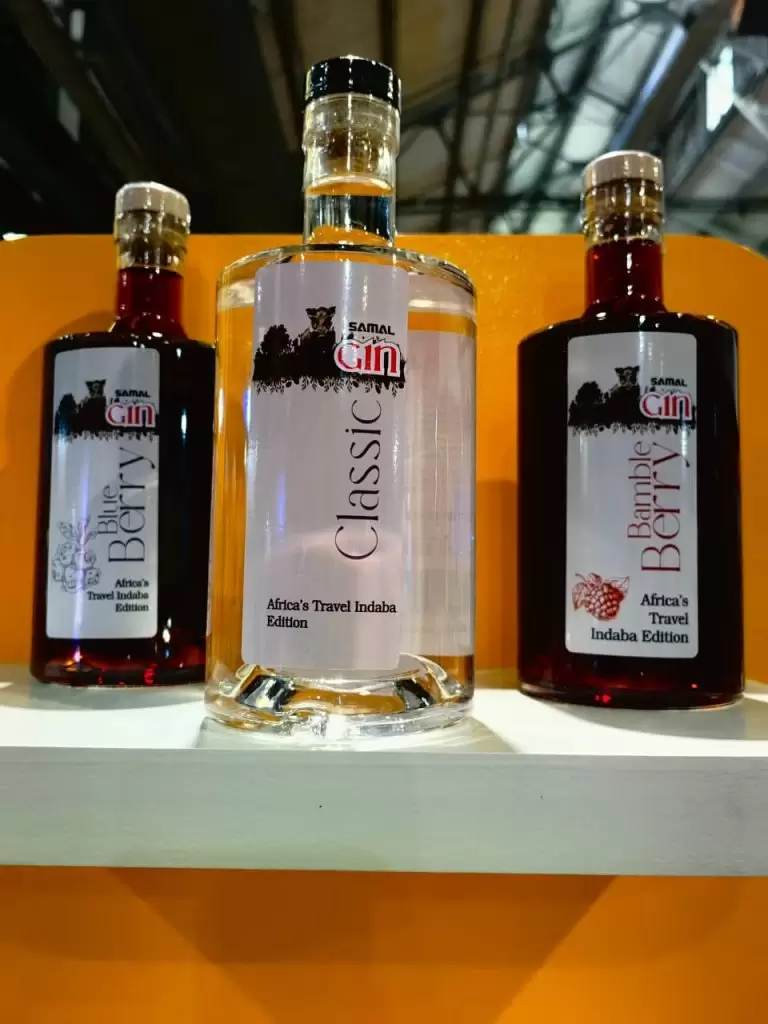
- SAMAL GIN BY Mofenyi Malepe, Picture by: Nomazulu Moyo
“If you do the relevant research, yes, it is,” she said. She said many travellers focus only on expensive destinations without considering more affordable alternatives. “We think, you know, Cape Town, which obviously it’s going to be 5,800 a night when you could have gone to, even in the Western Cape itself, different places where you could have found a much more decent place.”
Mokgethi cited examples of affordable accommodation options she had recently seen in Mpumalanga and other provinces. “I was holding some pamphlet today and it said 595 per couple per night,” she said.She also pointed out that travelling by road often remains cheaper than flying despite high petrol prices.
“Flight costs have heavily, heavily increased,” she said. Mokgethi revealed that South African Tourism is also working with taxi industry organisation Santaco to educate taxi operators about tourism opportunities.“We’re trying to build something with them to actually educate them on them being tourist guides,” she said.
Limpopo pushes for greater tourism visibility.Among the provinces with one of the strongest presences at the Indaba was Limpopo, which used the platform to showcase its diverse tourism offering. Moses Ngobeni, CEO of the Limpopo Tourism Agency, said the province’s strategy focuses on collaboration between its five districts.
“We have themed it five districts, one destination,” Ngobeni said. He said the province wants smaller tourism businesses and local operators to benefit from major tourism platforms such as the Indaba. “As Limpopo Tourism Agency, without all these product owners, some of them are SMMEs, you know, they are coming up with something innovative, which enhances promotion of destination Limpopo,” he said.
Ngobeni said Limpopo has become one of South Africa’s leading domestic tourism destinations, ranking closely behind KwaZulu-Natal. “Currently, in terms of domestic travel, we are second to KZN,” he said. He highlighted Limpopo’s strategic location bordering Zimbabwe, Botswana and Mozambique, saying this creates strong opportunities for cross-border tourism. “We are telling people when you come to Kruger National Park in Limpopo, you have an opportunity to go into Zimbabwe,” he said.
Ngobeni also highlighted lesser-known attractions in the province, including golf tourism, adventure tourism and cultural tourism. One attraction he singled out was the Extreme 19 golf challenge. “Extreme 19, you tee off from the mountain. Yes, if you get a hole in one, you get two million on the spot,” he said.
He added that Limpopo’s tourism offering includes off-road cycling, wildlife experiences and cultural heritage linked to communities such as the VhaVenda, Bapedi and VaTsonga people.Tourism creating opportunities for small businesses, Africa’s Travel Indaba also served as a platform for small businesses to market products linked to tourism and hospitality. Among the exhibitors was Mofenyi Malepe from Phalaborwa, founder of SAMAL Gin.
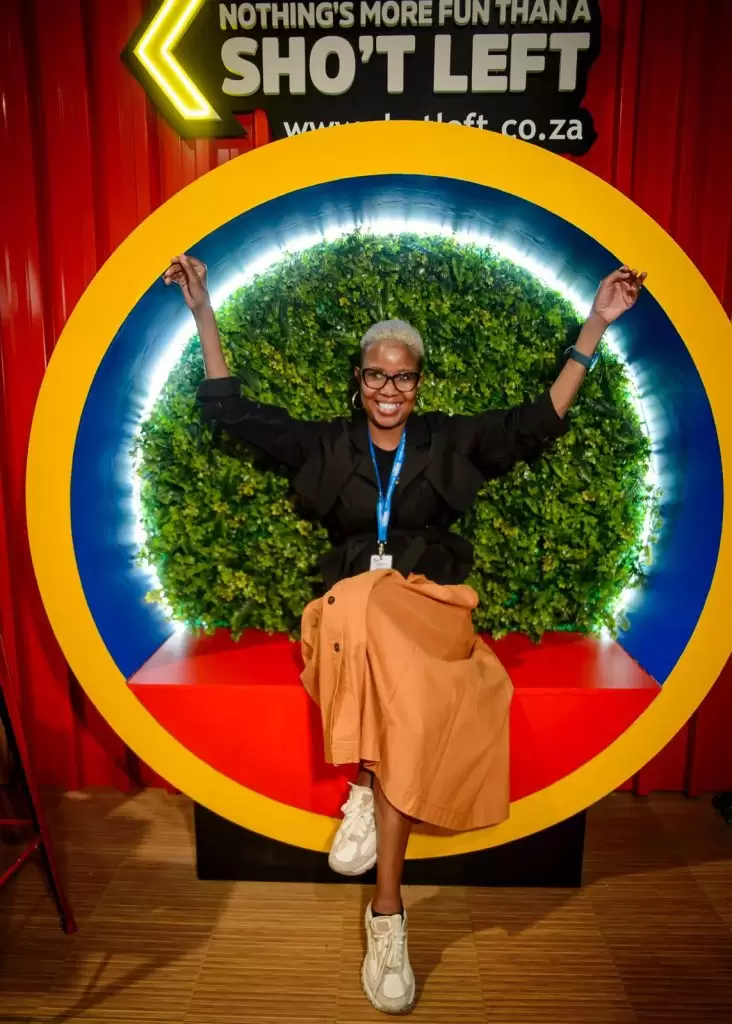
- Mashoto Mokgethi is the Head of Domestic Tourism at South African Tourism, Picture by: Nomazulu Moyo
Malepe described the craft gin as a product deeply connected to family heritage. “It’s named after my father, Setlaletšatši Alfred Malepe, hence it’s shortened to SAMAL,” he said. “I call it a family gin because six people from one family or just six people in general can share a bottle.”
Malepe said the business forms part of a broader family legacy that includes logistics and agriculture businesses. The gin, which includes ingredients sourced from Zimbabwe and Limpopo, was among the products showcased through support from the Limpopo Tourism Agency. Malepe praised the agency’s support for emerging businesses.
“They’ve treated us with respect, and anything else that we say, they’ve given us carte blanche to ask for anything that we need so that they can support us because they’re saying we are a business that represents the province,” he said. Although he described the Indaba as more focused on networking than immediate sales, he believes the exposure could open future opportunities across Africa. “Because the whole of Africa is here, I feel like in terms of impact, it will go a long way,” he said. He also said the gin was intentionally priced to remain affordable to ordinary consumers.
“So it retails from 250 to 339 at the retail stores, so it’s very affordable,” Malepe said.Tourism’s wider economic role Beyond destination marketing, tourism leaders at the Indaba repeatedly stressed tourism’s role in job creation, skills development and community upliftment.
About 300 tourism students from the Durban University of Technology were given opportunities to work during the event through roles in operations, ushering and delegate support. Officials say such initiatives are important in preparing young people for careers in the tourism sector.
As the Indaba closed, the message from tourism leaders was that South Africa’s tourism future will not depend only on attracting international visitors. Increasingly, the sector is also looking inward — encouraging South Africans to travel more, support local businesses and rediscover destinations often overlooked.
For Mokgethi, the message to South Africans remains simple. “It is your country. Enjoy it, because nothing’s more fun than a Sho’t Left,” she said.“But don’t forget to enjoy it.”