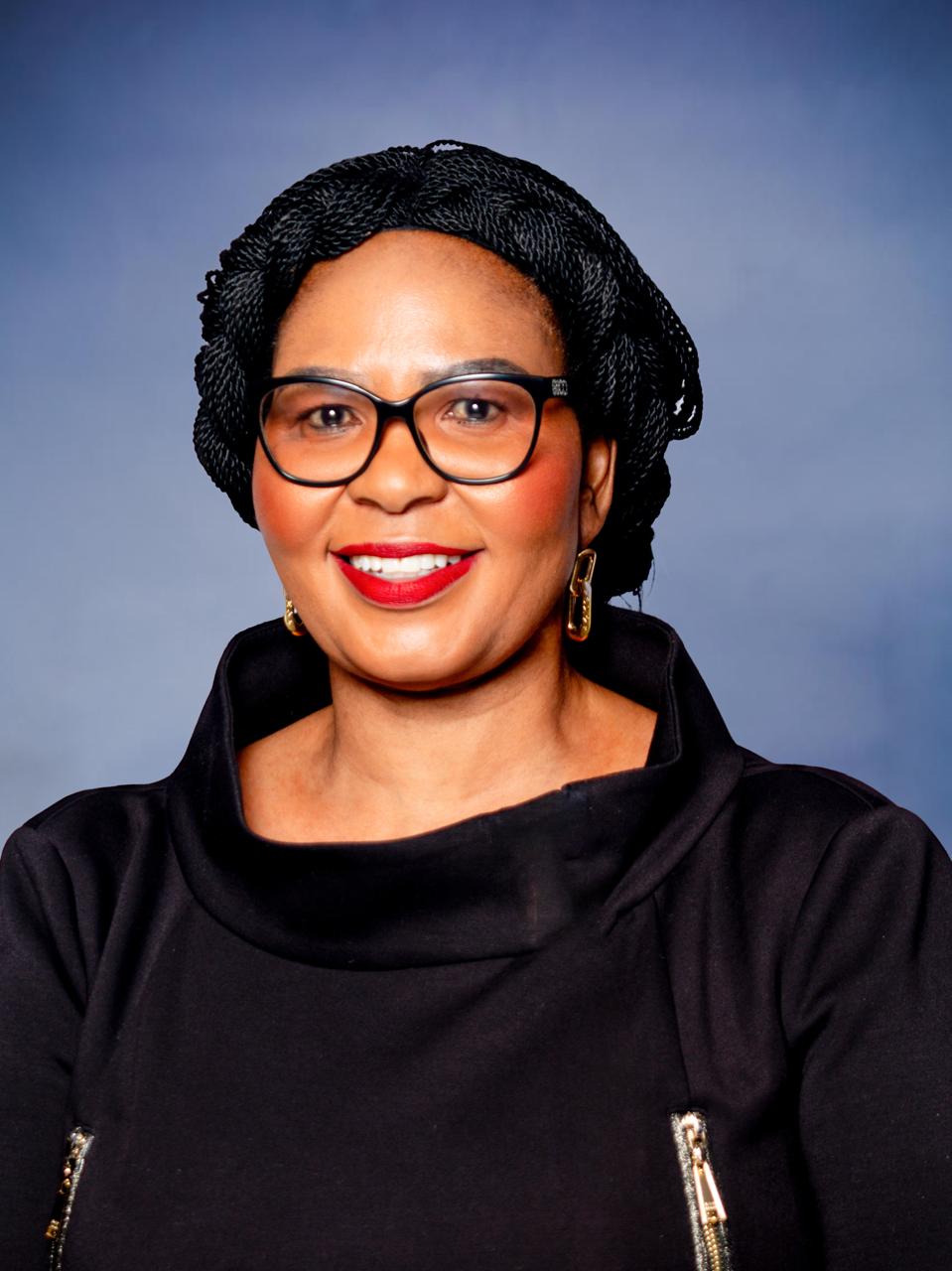
Picture supplied
South Africa has a strong legislative framework to protect children, but what sets Gauteng apart is the deliberate shift from policy to action. As Child Protection Month 2026 sharpens its focus on statutory rape and teenage pregnancy, the Gauteng Provincial Government is demonstrating that decisive, coordinated intervention can make a real difference in the lives of vulnerable children.
This approach is firmly rooted in the Gauteng Growing Together 2030 (GGT2030) vision, which places social transformation, human dignity, safety, and the protection of women and children at the centre of building a caring, inclusive and resilient province. Through GGT2030, the Gauteng Provincial Government has committed itself to strengthening the social fabric of communities, improving access to integrated social services, and ensuring that no child is left vulnerable to abuse, exploitation, violence, or neglect. The fight against statutory rape and teenage pregnancy is therefore not treated as an isolated social challenge, but as part of a broader developmental agenda aimed at protecting the future of Gauteng’s young people and advancing social justice.
Statutory rape is clearly defined in law, and the responsibility to report abuse is non-negotiable. What Gauteng is doing differently is strengthening the systems that ensure these laws work in practice. Through the Gauteng Department of Social Development, the province has intensified the implementation of its 365 Days Child Protection Programme of Action, a sustained, year-round approach that goes beyond awareness campaigns to deliver real services on the ground.
This programme comes to life through integrated service delivery blitzes, where government departments, municipalities, and civil society organisations bring services directly to communities. These interventions are not symbolic, they provide immediate access to social workers, psychosocial support, and reporting mechanisms, particularly in high-risk areas.
These interventions also take forward the national call made by President Cyril Ramaphosa when he declared Gender-Based Violence and Femicide a national crisis and subsequently elevated the response through the declaration of a National State of Disaster on GBVF. That declaration underscored the urgency for all spheres of government to act with speed, coordination, and accountability in confronting violence against women and children. Gauteng’s intensified child protection programmes, integrated service delivery approach, and strengthened partnerships across sectors reflect this whole-of-government and whole-of-society response envisioned at national level.
Equally important is the province’s investment in prevention. School-based programmes and community dialogues are equipping young people with knowledge about their rights, while also confronting harmful social norms that normalise relationships between adults and minors. These engagements are critical in shifting behaviour and empowering children to speak out.
The scale of the challenge is clear. Gauteng continues to record high levels of teenage pregnancy, with more than 12,000 births among girls aged 15–19 in just three quarters of the 2025/26 financial year, alongside cases involving children as young as 10–14. Rather than shy away from these realities, the provincial government is using data to sharpen its response, improving early identification of abuse, strengthening case management, and expanding access to care.
The provincial response also recognises the strong link between poverty, inequality, unemployment, substance abuse, and the vulnerability of children. In line with the priorities of GGT2030, Gauteng continues to invest in community-based prevention and early intervention programmes that seek to build safer communities while addressing the social conditions that expose children to abuse and exploitation. Protecting children must therefore go hand in hand with strengthening families, creating opportunities for young people, and rebuilding social cohesion across communities.
Interventions in Gauteng are also aligned with national priorities such as the National Strategic Plan on Gender-Based Violence and Femicide, ensuring that prevention, survivor support, and accountability remain central. Partnerships with the Department of Health are improving access to child-friendly sexual and reproductive health services, while collaboration with law enforcement is reinforcing reporting and prosecution processes.
Crucially, Gauteng is placing equal emphasis on care and healing. Survivors of abuse are supported through psychosocial services, while families are engaged as key partners in protecting children. This holistic approach recognizes that prevention, protection, and restoration must go hand in hand.
Yet even the most comprehensive government response cannot succeed in isolation. The province continues to confront deep-rooted challenges, underreporting, community silence, and economic pressures that leave children vulnerable to exploitation. Addressing these requires communities to become active participants in child protection, not passive observers.
This is where the real call to action lies. Communities must reject harmful practices and report abuse. Parents and caregivers must remain vigilant and engaged. Professionals must uphold their legal duty to report. Every sector of society has a role to play in reinforcing the systems government has put in place.
Faith-based organizations, schools, traditional leaders, community activists, youth formations, and civil society all have a critical responsibility in building a culture where children are protected, believed, and empowered. Silence can no longer be tolerated where abuse occurs. Protection of children must become a societal value that informs how communities respond, organize, educate, and care for the most vulnerable.
Gauteng’s approach shows that progress is possible when government leads with intention, coordination, and accountability. The structures are in place, the programmes are active, and the commitment is clear.
Now, the responsibility must be shared. Because in Gauteng, child protection is not just a campaign, it is a sustained, collective effort to protect futures and restore dignity.
Nomantu Nkomo-Ralehoko is the MEC for Social Development in Gauteng