
Self-care is no longer simply associated with spa days or occasional wellness routines. Instead, healthcare professionals say it is becoming an essential strategy for South Africans trying to cope with rising living costs, demanding workplaces, poor nutrition and growing mental health challenges.This was the central message at a Bayer Consumer Health media roundtable held in Johannesburg on Thursday to mark International Self-Care Day under the theme “From Surviving to Thriving: Reimagining Self-Care for Modern South Africans.”
The event brought together medical experts, nutrition specialists and health industry representatives to discuss how prevention, better nutrition and informed healthcare decisions can help people manage increasing physical and mental pressures before illness develops.International Self-Care Day is observed annually on 24 July. The date, 24/7, symbolises the importance of caring for one’s health every hour of every day rather than only when illness occurs.
Opening the discussion, Bayer Consumer Health Cluster Division Head for Sub-Saharan Africa Kelly Widdop said many South Africans were struggling to balance careers, family responsibilities and financial pressures while neglecting their own wellbeing.”We are carrying demanding careers, family responsibilities, financial pressure, uncertainty and the constant noise of a world that rarely switches off – and somewhere along the way, our own health often falls to the bottom of the list,” she said.
 She argued that healthcare should move beyond treating illness and instead focus on prevention by helping people make informed decisions about nutrition, movement, sleep and stress management.”Self-care is not an indulgence; it is an essential part of how we build healthier lives and more resilient communities.”The discussion comes as South Africa continues to battle a growing burden of non-communicable diseases such as diabetes, hypertension and cardiovascular disease, many of which are linked to lifestyle and dietary habits. At the same time, economic hardship has made healthy living increasingly difficult for many households.
According to the World Health Organization (WHO), depression and anxiety cost the global economy an estimated US$1 trillion annually through lost productivity, while around 12 billion working days are lost every year because of poor mental health.## Fatigue becoming a public health concern.Speaking during the roundtable, Bayer Consumer Health Medical Lead for South East Africa Dr Renissa Naidoo said fatigue has become one of the most common complaints among working adults, but is often misunderstood.
Rather than being simply a lack of energy, fatigue is frequently the result of multiple interacting factors, including chronic stress, inadequate recovery, poor sleep, nutritional deficiencies and increasing workplace demands.Naidoo said modern lifestyles have created what she described as a “cumulative pressure load”, where constant digital connectivity, long working hours, parenting responsibilities and unhealthy diets gradually erode physical and mental wellbeing.
 She noted that burnout has been recognised by the WHO as an occupational phenomenon caused by chronic workplace stress that has not been successfully managed. Burnout is characterised by exhaustion, emotional detachment from work and declining professional performance.”Whether it is the cost-of-living crisis, climate change, changing patterns of disease or uncertainty in the workplace, these factors can all affect our mental and physical wellbeing. While we cannot control many of these external pressures, we can control the daily decisions that help build resilience,” Naidoo said.
She stressed that fatigue should not automatically be dismissed as ordinary stress because persistent exhaustion could also indicate underlying medical conditions requiring professional assessment.## South Africans falling short on healthy diets.Nutrition formed a major focus of the discussion.Naidoo said South Africa faces significant nutritional challenges despite widespread awareness of healthy eating.
Research presented during the briefing showed that around 75% of South African adults have poor diet quality, while only 12.5% meet recommended dietary guidelines, meaning three out of every four adults are not eating balanced diets.She said low household incomes often force families to choose cheaper foods that are filling but lack essential vitamins and minerals.Micronutrients such as B vitamins, vitamin C, magnesium, calcium and zinc play important roles in brain function, energy production, immunity and muscle health, yet many people do not consume adequate amounts through their daily diets.The presentation also highlighted evidence suggesting deficiencies in nutrients including vitamin D, folate and vitamin B12 remain common among certain groups in South Africa, potentially affecting cognitive performance, immunity and overall wellbeing.
Naidoo said supplements may help address nutritional gaps where diets are insufficient but should not replace healthy eating.## No quick solution to burnout.Experts also challenged misconceptions surrounding energy and productivity.Naidoo said many people rely on caffeine or energy drinks to cope with exhaustion, but these only provide temporary alertness and do not address poor sleep, chronic stress or nutritional deficiencies.
Similarly, she said burnout cannot be solved through a single product or quick fix.Instead, sustainable wellbeing requires a combination of healthy nutrition, quality sleep, regular exercise, stress management and responsible supplementation where necessary.”The science is unequivocal,” Naidoo said in her concluding presentation.”The human body is an integrated system. It demands an integrated solution.”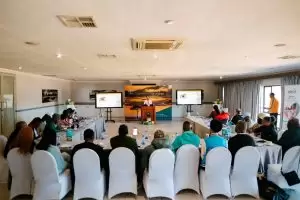
Her presentation concluded that no single intervention can overcome burnout or poor health. Sleep cannot compensate for nutritional deficiencies, supplements cannot replace healthy eating and exercise alone cannot eliminate chronic stress. Long-term wellbeing depends on addressing all aspects of health simultaneously.## Counterfeit medicines pose growing risk
The roundtable also addressed the increasing availability of counterfeit medicines and health supplements through online platforms.According to WHO estimates shared during the discussion, more than one in 10 medicines circulating in low- and middle-income countries are either substandard or falsified.Such products may contain incorrect ingredients, insufficient active substances or none at all, potentially putting consumers at serious risk.Naidoo encouraged consumers to purchase medicines, vitamins and supplements only from registered pharmacies and reputable retailers.
“When consumers purchase healthcare products from legitimate, trusted sources, they are helping ensure those products meet the appropriate quality standards and have been correctly stored, transported and dispensed,” she said.##From surviving to thriving
Widdop said improving health literacy remains central to Bayer’s partnership with the Self-Care Association, which promotes responsible self-care and encourages people to become active participants in managing their own health.She said empowering people with reliable information could help shift healthcare away from reacting to illness towards preventing disease before it develops.”If there is one message I would like to leave with you today, it is this: self-care gives people the power to move from surviving to thriving — one informed choice at a time.”
As South Africans continue to navigate economic uncertainty, increasing workplace demands and mounting mental health pressures, experts say small daily decisions—such as eating balanced meals, exercising regularly, getting adequate sleep and seeking timely medical advice—could play an important role in improving both individual wellbeing and the resilience of communities.For healthcare professionals, the message was clear: prevention is becoming just as important as treatment, and self-care is increasingly being recognised as a vital component of South Africa’s broader public health response.