By Zinhle Bhuda
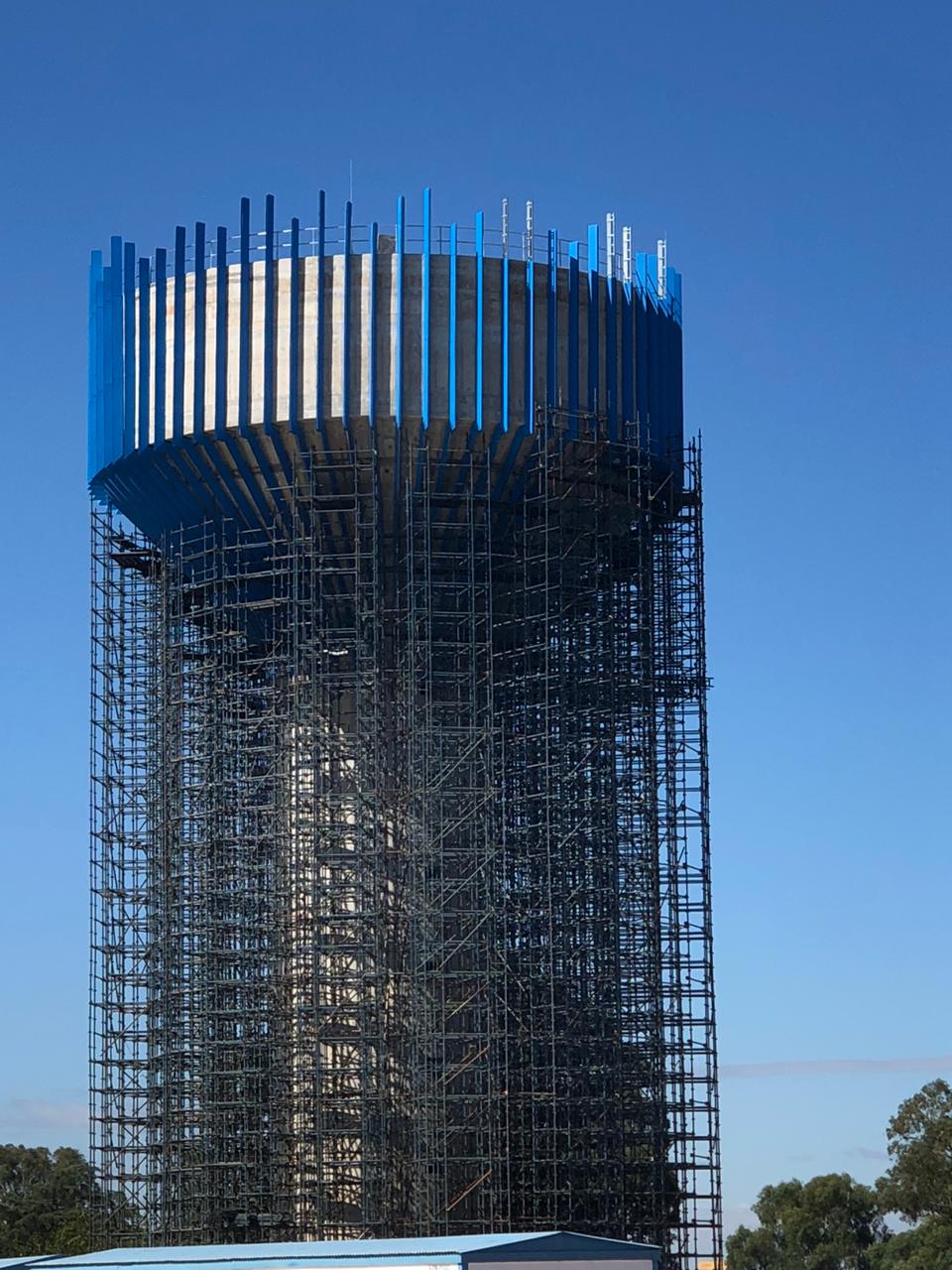
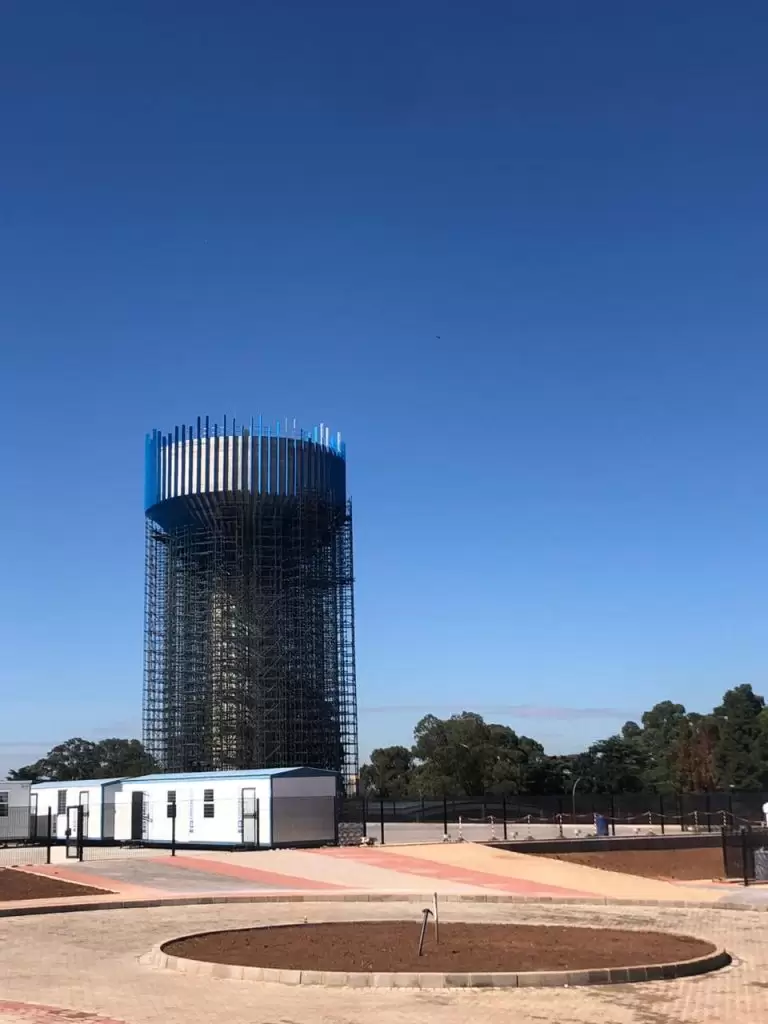
The City of Johannesburg (CoJ) reached a critical milestone in its efforts to address persistent water shortages today with the official opening of the Brixton Reservoir and Water Tower.
The project is designed to strengthen the Commando Water Supply System, a network that has long struggled to meet the demands of a growing population. The new facility, located in Brixton, West of Joburg, significantly upgrades storage capacity, featuring a 26-megaliter ground reservoir and a two-megaliter elevated water tower.
According to Minister of Water and Sanitation, Pemmy Majodina, these enhancements are expected to provide much needed stability for thousands of residents and major institutions, including the Rahima Moosa Mother and Child Hospital, Helen Joseph Hospital, and the University of Johannesburg (UJ). Speaking at the launch, she addressed the ongoing tensions surrounding the city’s water reliability. She emphasised that while infrastructure investment is crucial, the solution requires a shift away from politicising the crisis.
“Water security is too important to be reduced to a political football by political parties. Our people deserve honesty. Our people deserve accountability,” she said. She said the core issue is not a lack of bulk water supply, but rather the failure of municipal distribution systems. Majodina pointed to a combination of ageing infrastructure, rapid urbanisation, and illegal connections as the primary drivers of current disruptions.
“We don’t have a crisis when it comes to water security. We have enough bulk water supply, we have enough water resources. But the challenge is between reticulation and provision of water,” she said. CoJ Mayor, Dada Morero acknowledged the relief this project brings to the affected supply zones, such as Brixton, Crosby, and Hursthill.
He said the development is a result of long-term strategic planning aimed at future-proofing the city’s network. “This project addresses long standing water supply challenges and is the result of strategic planning, investment, and collaboration,” he said, adding that the new system improves infrastructure reliability, capacity, and flexibility. Meanwhile, for the local community, the opening marks the potential end of a recurring struggle.
Mapule Xaba, a teacher at Brixton Primary School, highlighted the severe impact water cuts have had on education. “We have 700 learners from Grade R upwards, and it was a major problem when there was no water and toilets were not flushing. We had to send them back home, resulting in them missing a lot of the curriculum,” she said. She added that they are grateful now that the reservoir is open because they believe the issue will come to an end.
Elderly residents also expressed relief, hopeful that the infrastructure will provide the stability that has been lacking in their daily lives. “Most of the time we don’t have water in our communities, so I’m sure this reservoir is going to assist us a lot and we will have water at all times,” said 73-year-old Cornelius Mogotlhoana.
Mabel Phiri (72), echoed the same sentiments, adding, “In our townships, we often stay for a long time without water, so we are expecting that this reservoir is going to help our communities get water.”