By Julia Moyo
South Africans have been urged not to panic following reports of hantavirus cases linked to an international cruise ship outbreak, with health authorities and the World Health Organization (WHO) stressing that the virus is not a pandemic threat and will not lead to lockdowns or widespread restrictions.
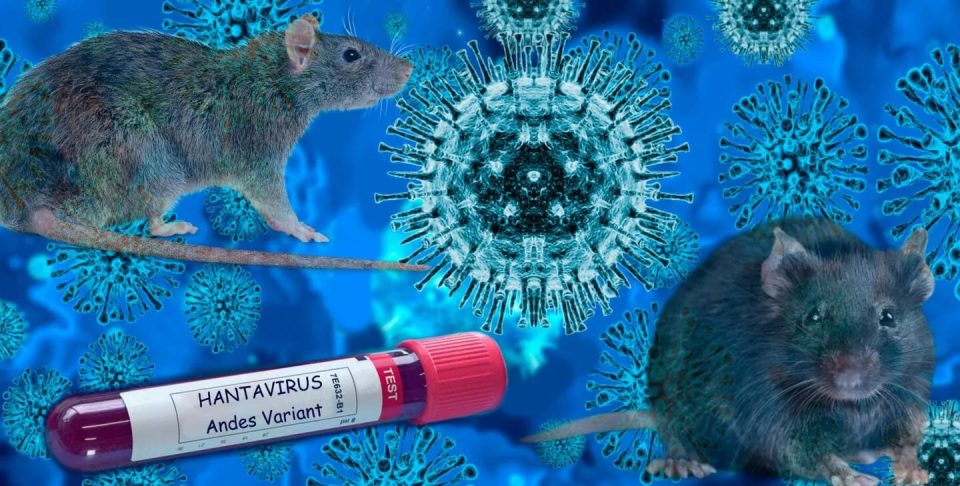
The Department of Health and WHO confirmed that the overall public health risk remains low and that hantavirus does not spread in the same way as COVID-19, which triggered global lockdowns and rapid community transmission. According to the WHO, hantavirus is a rare rodent-borne virus that primarily spreads from animals to humans, not from person to person in most cases. Infection usually occurs when people inhale particles from infected rodent urine, droppings or saliva, often in contaminated or poorly ventilated environments.
“This is not SARS-CoV-2. This is not the start of a COVID-like pandemic,” WHO officials emphasised, noting that hantaviruses have existed for decades and are already well understood by global health systems.
Recent international reports confirmed a cluster of cases linked to the international cruise ship MV Hondius, which was travelling from Southern Argentina to the Canary Islands via Cape Verde. The ship, carrying about 150 tourists from various countries, travelled past several islands including mainland Antarctica, the Falklands, South Georgia, Nightingale Island, Tristan da Cunha, St Helena and Ascension Island before approaching South African waters.
According to the Department of Health, spokesperson Foster Mohale said the first patient was a 70-year-old male passenger who became ill while travelling between Ushuaia in Argentina and St Helena Island. He reportedly suffered from fever, headache, abdominal pain and diarrhoea before passing away upon arrival at St Helena. His remains are awaiting repatriation to the Netherlands. Mohale said the second patient, a 69-year-old Dutch woman and spouse of the first patient, collapsed at OR Tambo International Airport while trying to connect to a flight home. She was taken to a healthcare facility near Kempton Park where she later died. Laboratory results relating to her illness were still outstanding at the time of the department’s statement.

He added that a third patient, a British national, became ill while the ship was travelling from St Helena to Ascension Island. The patient was initially treated on Ascension before being medically evacuated to a private hospital in Sandton after his condition worsened. Laboratory tests later confirmed hantavirus infection. The patient remains in critical condition in isolation while receiving medical treatment. Unlike COVID-19, hantavirus does not spread easily through casual contact, air droplets or everyday interaction. Most infections occur through environmental exposure to rodents, not from being near an infected person. Human-to-human transmission is extremely rare and has only been observed in limited cases involving the Andes virus strain in South America, usually among people who had very close and prolonged contact, such as family members or healthcare workers.
Mohale said authorities were working closely with the National Institute for Communicable Diseases (NICD) and Gauteng health officials to conduct contact tracing and monitor possible exposure.
“In our view, there is no need for the public to panic because only two patients from the cruise ship have been within our borders,” said Mohale.
The World Health Organization is coordinating a multi-country response involving affected islands and countries linked to the ship’s route. Health experts continue to stress that the current situation is contained and does not resemble the widespread community transmission seen during the COVID-19 pandemic.
So far, there is no evidence of uncontrolled spread in communities, and experts stress that this situation is very different from COVID-19. In South America, Asia and Europe, hantavirus has been present for many years. Countries manage it through rodent control, environmental sanitation, public awareness campaigns and rapid medical response for isolated cases. For example, in the Americas, hundreds of cases are reported annually, but outbreaks remain localised and contained