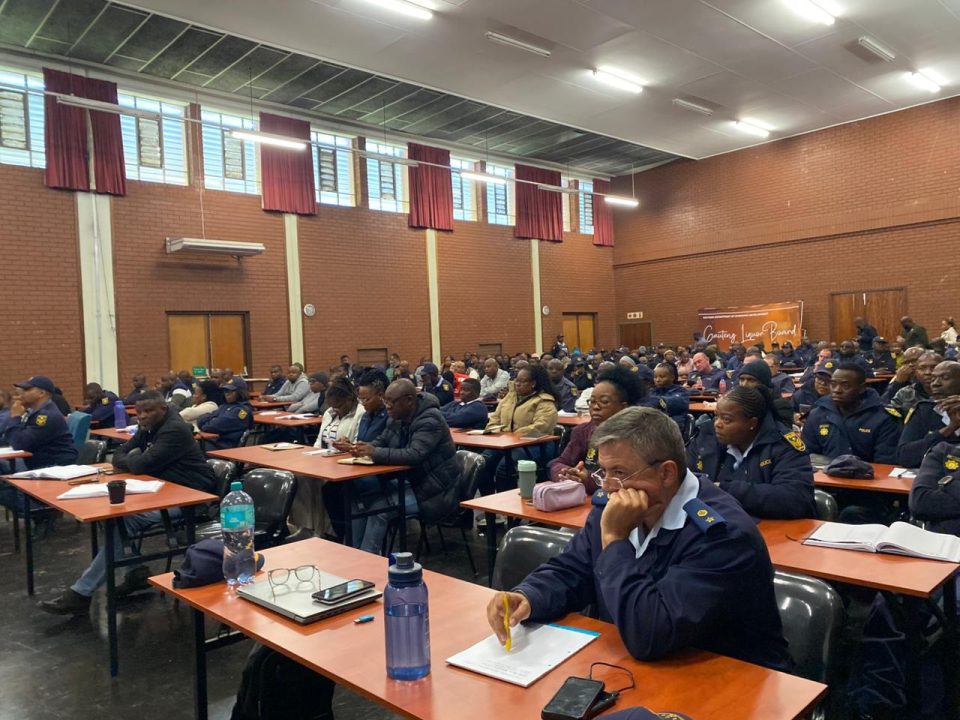
The Gauteng Liquor Board together with the South African Liquor Brandowners Association recently conducted a three-day training programme aimed at educating Gauteng liquor traders and SAPS liquor officers about the dangers of illicit cigarettes and counterfeit alcohol.
The awareness campaign, which forms part of ongoing efforts to combat the illegal alcohol and tobacco trade in the province, brought together liquor traders, law enforcement officials, and industry representatives to discuss the impact of counterfeit products on businesses, public health, and the economy. The training programme began on 12 May 2026 at the Human Rights Centre in Orange Farm. The second session was held on 13 May at the Germiston Police Station, where SAPS members from different regions attended alongside liquor traders in large numbers. The final day of the programme concluded on 14 May at the Tsakane Police Station.
The initiative focused on educating traders about identifying counterfeit alcohol products, understanding the risks associated with illicit cigarettes, and ensuring compliance with legal trading procedures.
During the training session held at Germiston Police Station, a spokesperson from the Drinks Federation of South Africa highlighted the growing concern around counterfeit alcoholic beverages in the country. The spokesperson explained that counterfeit alcohol forms part of the broader illicit trade industry, warning that criminal syndicates are increasingly targeting legitimate alcohol brands.
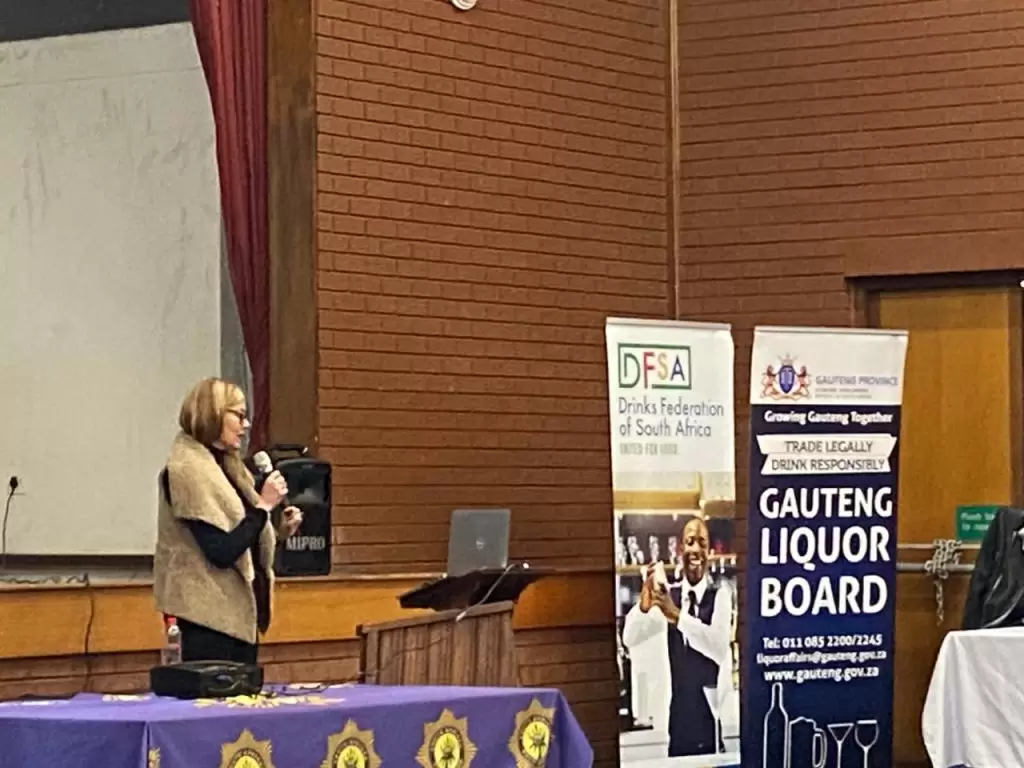
“Counterfeit alcohol is illicit, but counterfeit products are not the only concern,” she said. “There are cases where genuine products are hijacked and illegally redistributed into the market.”
She further warned that counterfeit alcohol poses serious health risks to consumers because the products are often manufactured without proper safety standards or regulation. According to industry representatives, counterfeit beverages not only damage legitimate businesses but also contribute to economic losses through tax evasion and illegal trading practices.
A representative from the South African Police Service also addressed attendees during the session, emphasising the seriousness of the illicit cigarette and counterfeit alcohol trade. The SAPS representative noted that authorities are shifting their approach in tackling illegal trading activities. “We are moving from simply conducting raids to dismantling criminal networks,” the official said. The representative explained that law enforcement agencies are now focusing on breaking the entire chain of criminality involved in the distribution and sale of fake products, including suppliers, distributors, transporters, and non-compliant traders. Officials further stressed the importance of collaboration between traders and law enforcement agencies in identifying suspicious products and reporting illegal suppliers.
The training also educated traders on compliance requirements, product verification measures, and responsible sourcing of stock to protect both consumers and businesses. Many traders who attended the programme said the sessions provided valuable knowledge about the importance of purchasing products from legitimate suppliers and remaining vigilant against counterfeit goods. Attendees indicated that the training helped them better understand the legal and economic consequences of selling illicit products, whether knowingly or unknowingly. Some traders also welcomed the opportunity to engage directly with industry experts and SAPS officials, saying the information shared would help them protect their businesses from legal risks and reputational damage.
The Gauteng Liquor Board said initiatives such as these are important in promoting responsible trading practices and strengthening cooperation between government, law enforcement, and the liquor industry. Authorities continue to warn that counterfeit alcohol and illicit cigarettes remain major challenges in South Africa, contributing to criminal activity, public health risks, and revenue losses for the state.
The three-day programme forms part of broader provincial efforts aimed at improving compliance within the liquor trading sector while protecting consumers and supporting legitimate businesses operating within the law