
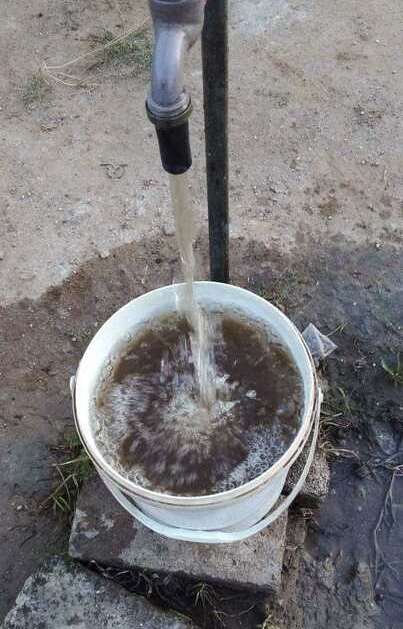
Residents of Bronkhorstspruit in Tshwane have been urgently instructed to use municipal tap water only for flushing toilets. This severe restriction follows a widespread gastrointestinal illness outbreak that has heavily impacted the community, worsened by critical water supply and infrastructure failures.
The crisis escalated after water samples collected on October 14 from the Bronkhorstspruit Water Treatment Plant and local reservoirs confirmed serious bacterial contamination. Laboratory results revealed “high levels of E. coli and other bacteria, indicating contamination associated with human or animal waste”.
As a result, the city has strictly prohibited using tap water for drinking, cooking, washing hands, bathing, or washing food. City officials emphasised that boiling water at home does not lift the city’s advisory.
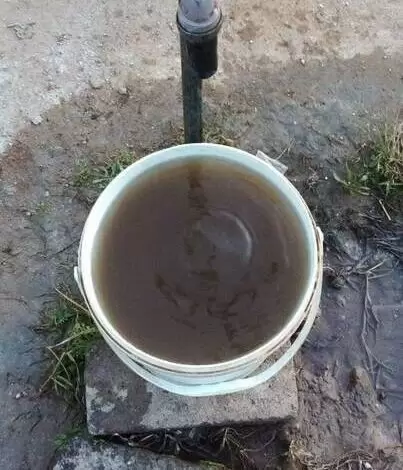
The warning affects Bronkhorstspruit Town, Zithobeni, Ekandustria, and surrounding areas. Residents must discard stored tap water and sanitise their containers with bleach.
This polluted water supply has taken a heavy community toll. Between October 7 and October 12, Tshwane recorded up to 160 cases of residents falling ill with diarrhea and stomach-related symptoms, with most treated at Bronkhorstspruit Hospital.
“ The city’s immediate concern is for the residents who are ill and the families caring for them,” said Tshegofatso Mashabela, Tshwane’s MMC for Health. “We understand the concern this is causing and are working to establish what is making people ill as quickly as possible”.
Amid families relying on municipal tankers for clean water, the crisis has sparked political tension. Executive Mayor Dr. Nasiphi Moya has rejected claims that the illnesses are linked to a cholera outbreak. “Let me be absolutely clear, cholera has not been identified as the cause of the gastrointestinal illness outbreak in Bronkhorstspruit,” Moya said, noting that no epidemic cholera variants were found in patient samples.
Defending the municipality’s deployment of emergency tankers, which aim to provide 15 liters of safe water per person daily, Moya said, “Where tap water is unsafe, providing alternative drinking water is an essential public-health responsibility”.
While millions are budgeted to refurbish the aging treatment plant, the immediate reality on the ground remains stark. Moya insists the community deserves practical solutions over political campaigning.
