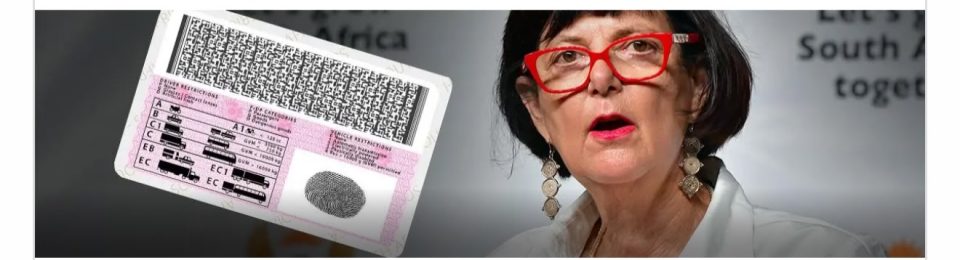
For millions of South African motorists, the five-year frustration of renewing a driving licence card could soon become a thing of the past after Cabinet approved a proposal to extend the validity period for light vehicle licences to 10 years, ending years of lobbying by civil society and growing frustration over licensing delays.
The decision, announced after Thursday’s Cabinet meeting, applies to driving licence codes A, A1, B and EB. However, motorists will have to continue renewing their licences under the current five-year validity period until the necessary legislative amendments have been finalised and the new law comes into effect.
If implemented, the reform will mark one of the biggest changes to South Africa’s driving licence system in decades. Heavy commercial and public transport vehicle licences will continue to follow the existing renewal cycles, while Professional Driving Permits (PrDPs) will remain valid for two years.
The announcement follows years of mounting frustration among motorists who have had to contend with long queues at licensing centres, appointment backlogs and repeated breakdowns of the country’s ageing driving licence card printing machine. The recurring failures delayed the production of hundreds of thousands of licence cards, forcing many motorists to obtain temporary licences while waiting for replacements.
The Department of Transport said the proposal was informed by research conducted by the Road Traffic Management Corporation (RTMC). “The change was informed by a study undertaken by the RTMC which recommended that the extension of validity period will align with international best practice, enhance administrative efficiency, reduce the frequency of renewals for motorists and ease service demand pressures within the licensing system,” the department said.
The decision was welcomed by the Organisation Undoing Tax Abuse (OUTA), which has campaigned for a 10-year driving licence validity period since the COVID-19 licensing crisis in 2020. OUTA Chief Executive Officer Wayne Duvenage described the decision as a long-overdue victory for motorists. “This decision is almost six years overdue, but it is a victory for motorists and for common sense. Government has finally accepted that forcing motorists through an inefficient renewal system every five years wastes time and money without making our roads safer,” said Duvenage.
According to OUTA, its research in 35 countries found an average driving licence validity period of 8.5 years. The organisation said a 2021 survey of 3,685 motorists exposed widespread dissatisfaction with the renewal system, with respondents citing problems ranging from online booking failures and long queues to poor service and allegations of bribery. OUTA said the announcement was an important milestone but stressed that the changes are not yet in force.”Motorists must continue renewing expiring driving licence cards under the existing rules until the change officially comes into force,” the organisation said.
The approval also comes as government continues efforts to modernise South Africa’s driver licensing system. In addition to replacing the ageing card printing infrastructure, the Department of Transport has been working towards introducing a digital driving licence that will complement the physical licence card once it is rolled out. Cabinet’s approval is not the final step. The proposed amendments must still be published for public comment, undergo legal scrutiny and be incorporated into the National Road Traffic Regulations before the 10-year validity period can take effect.
Until then, the current rules remain in force.”The implementation of the extended validity period requires legislative amendments. Motorists must therefore continue to renew expired driving licence cards until the new law takes effect,” the Department of Transport said.