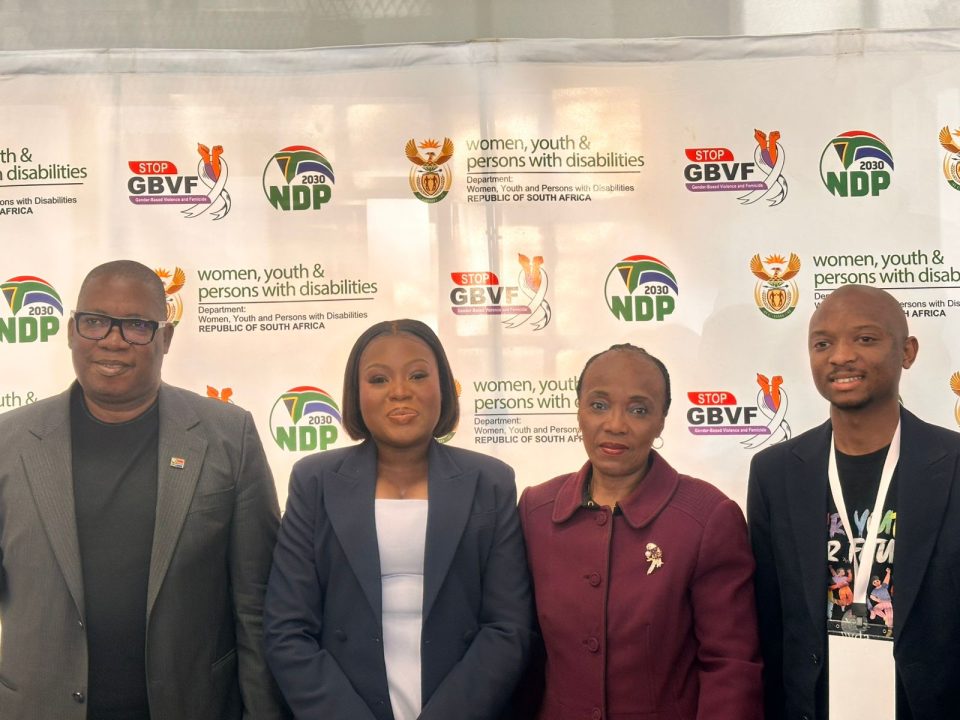
Government officially launched the 50th Anniversary of the 1976 Youth Uprising Media Launch today in Orlando East, Soweto, marking the beginning of a national commemorative programme dedicated to honouring the bravery, sacrifice, and enduring legacy of the youth who stood at the forefront of the struggle against apartheid.
Held at one of the most historically significant sites in the country’s liberation history, the event brought together senior government leaders, youth development stakeholders, civil society organisations, students, and community members in a symbolic reflection on the impact of the Soweto Uprising and the challenges facing South Africa’s youth today. The launch formed part of a broader year-long programme aimed at preserving the memory of the 1976 generation while encouraging renewed national dialogue on youth empowerment, education, unemployment, mental health, social justice, and gender-based violence.
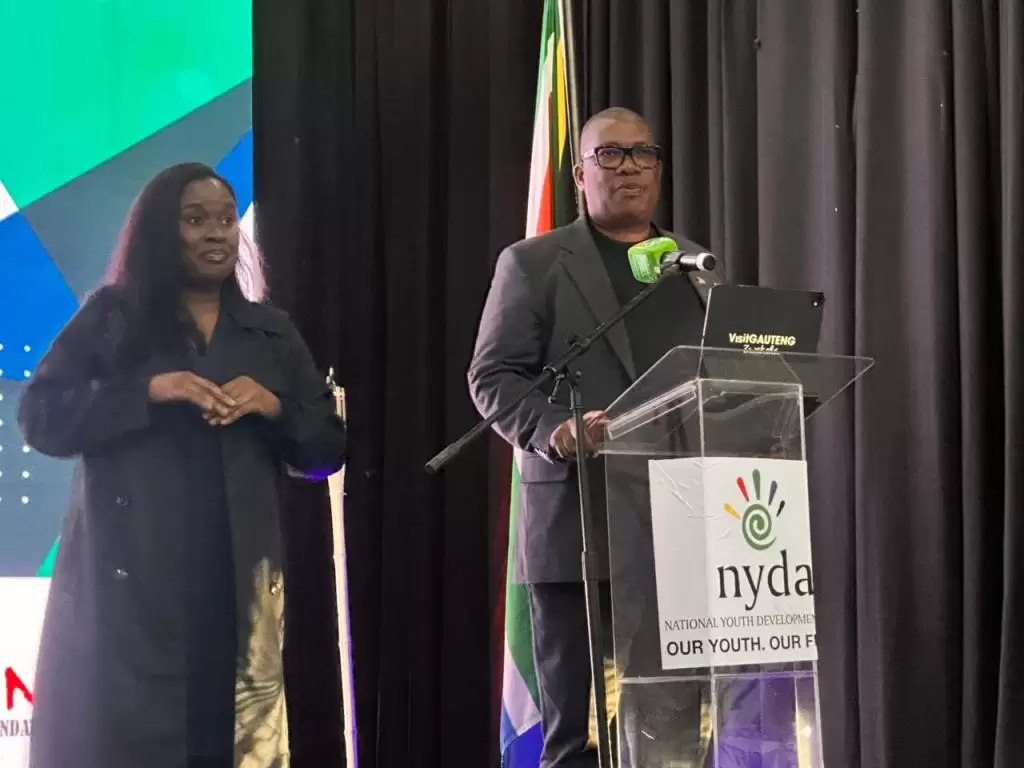
Opening the programme, Panyaza Lesufi delivered a keynote address that connected the struggles of the youth of 1976 to the socioeconomic realities confronting young South Africans in the democratic era. Speaking before attendees gathered in Orlando East, Lesufi described the 1976 generation as “the conscience of the nation,” saying their courage continues to serve as a reminder that young people remain central to shaping South Africa’s future. “The youth of 1976 challenged one of the most oppressive systems in history,” Lesufi said during his address. “Today, we honour not only their sacrifice but also their vision for a South Africa founded on equality, dignity, opportunity, and justice.”
The Premier emphasised that the country’s democratic gains must be matched by economic inclusion and meaningful opportunities for young people, particularly in communities still affected by poverty, unemployment, and inequality. He further reflected on the symbolism of hosting the launch in Orlando East, the birthplace of one of the most defining resistance movements in modern South African history. Following the conclusion of his speech, Lesufi departed the event shortly thereafter as the programme proceeded with contributions from ministers, youth leaders, and representatives from various institutions.
A central focus of the media launch was the urgent need to address South Africa’s escalating youth unemployment crisis, which several speakers identified as one of the country’s most pressing socioeconomic challenges. Among those who addressed the gathering was Dr Sunshine Myende, who called for stronger investment in youth-led development initiatives and more aggressive interventions aimed at expanding economic opportunities for young people. Myende stressed that commemorating the legacy of the youth of 1976 must extend beyond symbolic remembrance and translate into practical programmes capable of changing lives.
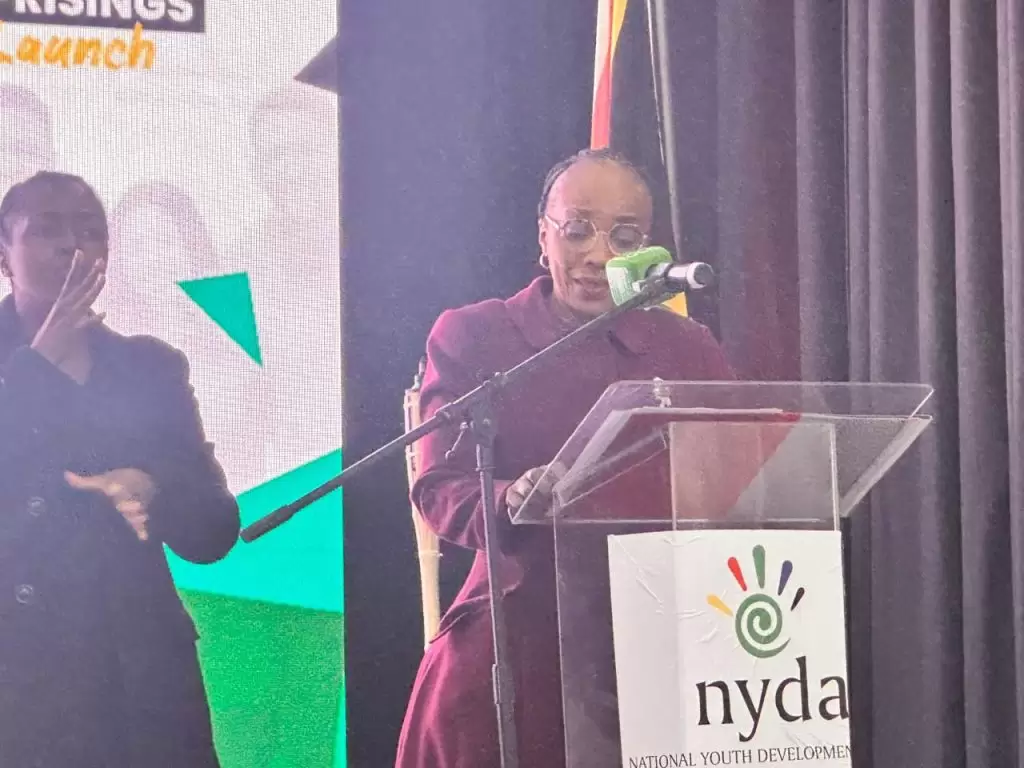
“We cannot celebrate the heroes of 1976 while millions of young people remain economically excluded,” She said. “The future of this country depends on empowering young people with skills, funding opportunities, innovation support, entrepreneurship programmes, and sustainable employment pathways.” The Executive Chairperson Dr Sunshine Myende, advocated for increased collaboration between government, the private sector, educational institutions, and civil society to ensure that youth-focused programmes produce measurable outcomes.She also encouraged young South Africans to become active participants in economic transformation and policy development rather than passive recipients of support.
Myende’s remarks were met with strong support from youth organisations and attendees present at the launch, many of whom echoed concerns over limited employment opportunities and growing economic frustration among young people. The National Youth Development Agency was repeatedly highlighted throughout the programme as a key institution expected to drive youth-centred development initiatives linked to the Golden Jubilee commemorations.The media launch also featured the presence of Sindisiwe Chikunga, who officially launched the commemorative programme and reaffirmed government’s commitment to preserving the legacy of the 1976 generation through public education campaigns, heritage initiatives, dialogues, exhibitions, and youth engagement programmes scheduled to take place throughout the year.
Chikunga stated that the commemoration was not simply about revisiting history, but about drawing lessons from the courage and activism of the youth who confronted apartheid. “The spirit of 1976 remains alive in every young South African who believes in justice, equality, and transformation,” she said. Another significant moment during the event came with the participation of the Department of Women, Youth and Persons with Disabilities.
The Minister of Women, Youth and Persons with Disabilities addressed the gathering and later signed a pledge that was formally read during the proceedings. The pledge committed stakeholders to advancing youth empowerment, combating gender-based violence and femicide, promoting social inclusion, and creating safer communities for young people and vulnerable groups.
The signing ceremony symbolised government’s intention to align the 50th anniversary commemorations with ongoing social and developmental priorities affecting young South Africans. Issues such as mental health, substance abuse, educational inequality, violence against women and children, and limited economic opportunities featured prominently throughout discussions at the launch. Several speakers stressed that while political freedom had been achieved through democracy, many young people continue to experience social and economic exclusion nearly three decades after the end of apartheid.
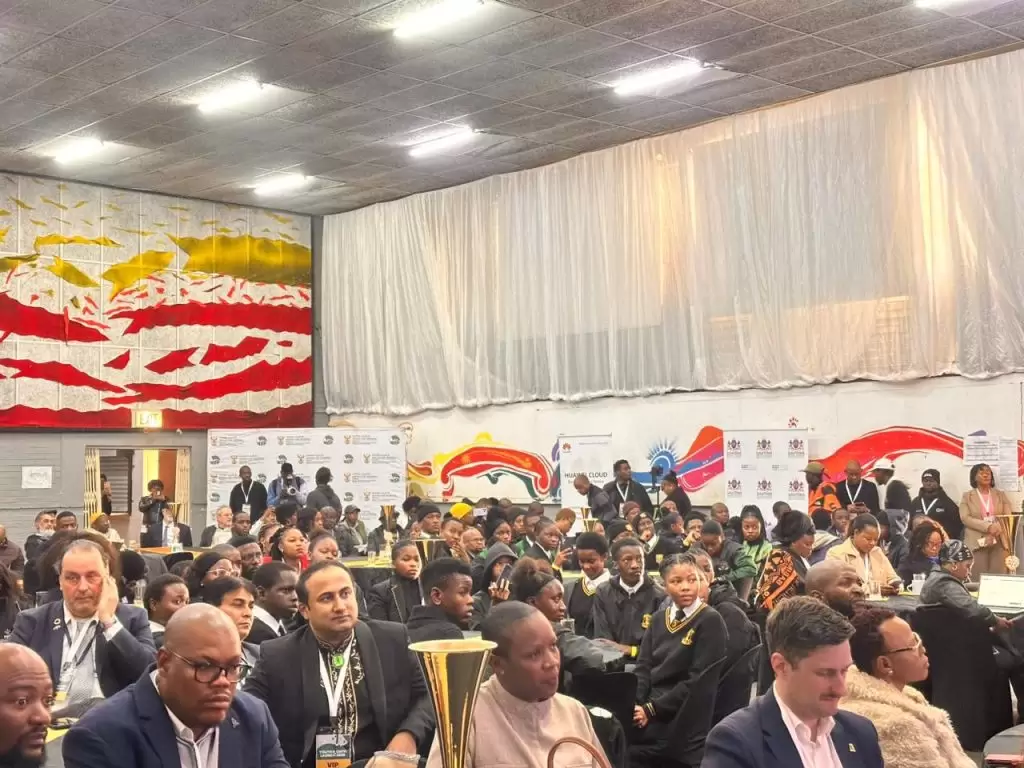
Throughout the programme, Orlando East served as more than just a venue. The township remains deeply embedded in the country’s liberation history and continues to stand as a symbol of resistance, sacrifice, and political consciousness. Community members, students, struggle veterans, and youth activists gathered in reflection and solidarity, with some carrying photographs and memorabilia commemorating students who lost their lives during the uprising. Liberation songs and moments of remembrance created a solemn but determined atmosphere as speakers urged the nation not to reduce the history of 1976 to ceremonial remembrance alone.
Many attendees argued that the true meaning of the commemoration lies in the country’s ability to confront present-day inequalities with the same urgency and commitment demonstrated by the youth who marched through Soweto’s streets nearly five decades ago. The launch also highlighted concerns over growing levels of youth disillusionment amid persistent unemployment and widening inequality. Speakers repeatedly warned that failing to address these challenges could undermine the aspirations for which the youth of 1976 fought.
At the same time, the event carried a strong message of hope and mobilisation, encouraging young people to become active participants in nation-building, democratic engagement, entrepreneurship, and social transformation. As South Africa prepares to mark the official 50th anniversary of the June 16 uprisings, today’s media launch in Orlando East signalled the beginning of what government and stakeholders hope will become a meaningful national reflection on the past, present, and future of the country’s youth.
Nearly fifty years after students marched against oppression in the streets of Soweto, the legacy of 1976 continues to challenge South Africa to fulfil the promises of freedom — not only through political rights, but through dignity, opportunity, equality, and economic justice for every young person