
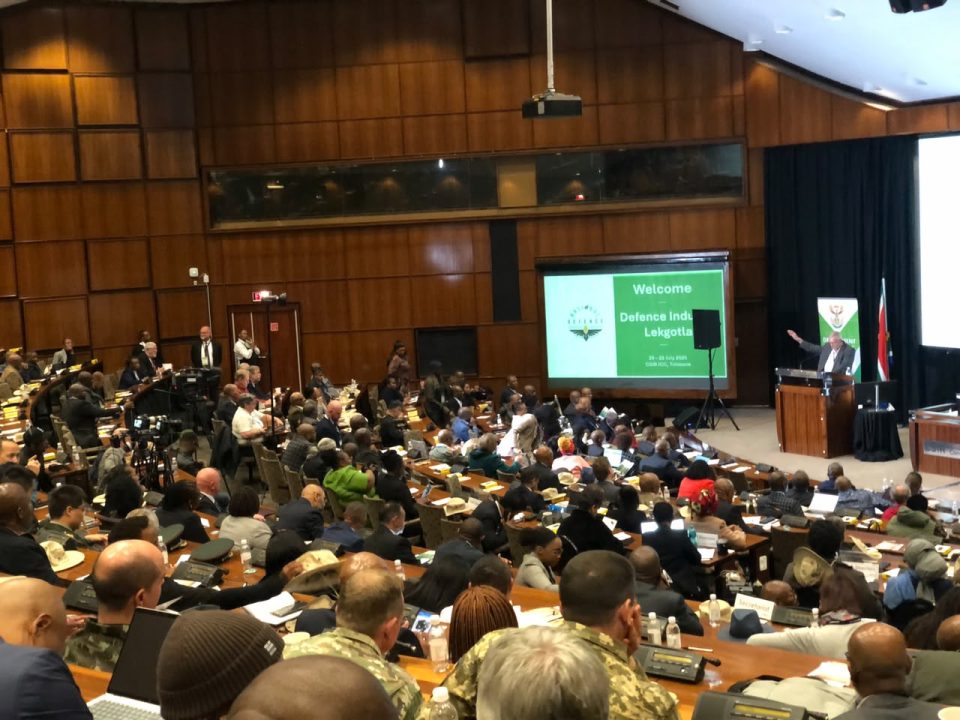
Government ministers, military leaders, and factory bosses gathered at the CSIR International Convention Centre today for the opening of the first-ever Defence Industry Lekgotla.
This three-day summit marked the first time in South Africa’s history that the government and private business leaders have met on this scale to fix the country’s declining defence sector.
Once a global pioneer in advanced military vehicles and equipment, South Africa’s local industry has struggled for decades due to severe government budget cuts.
For years, the national defence spending budget dropped below 1% of Gross Domestic Product (GDP), leaving the sector with an estimated R30 billion shortfall. This underfunding has starved local factories of state contracts and triggered a massive loss of specialised engineering skills.
Opening the summit, Minister of Defence and Military Veterans, Angie Motshekga said the government is determined to bring order back to a fragmented sector.
“I think we will see more coherence and avoid this [working in silos], it’s completely disintegrated, everybody is going their own way,” she said.
“What we want to do is to make it a whole-government process, so we create an ecosystem that benefits everybody.”
Motshekga also confirmed that Cabinet has adopted the military’s 30-year plan, Journey to Greatness, laying a foundation to gradually increase defence spending toward 1.5% of GDP.
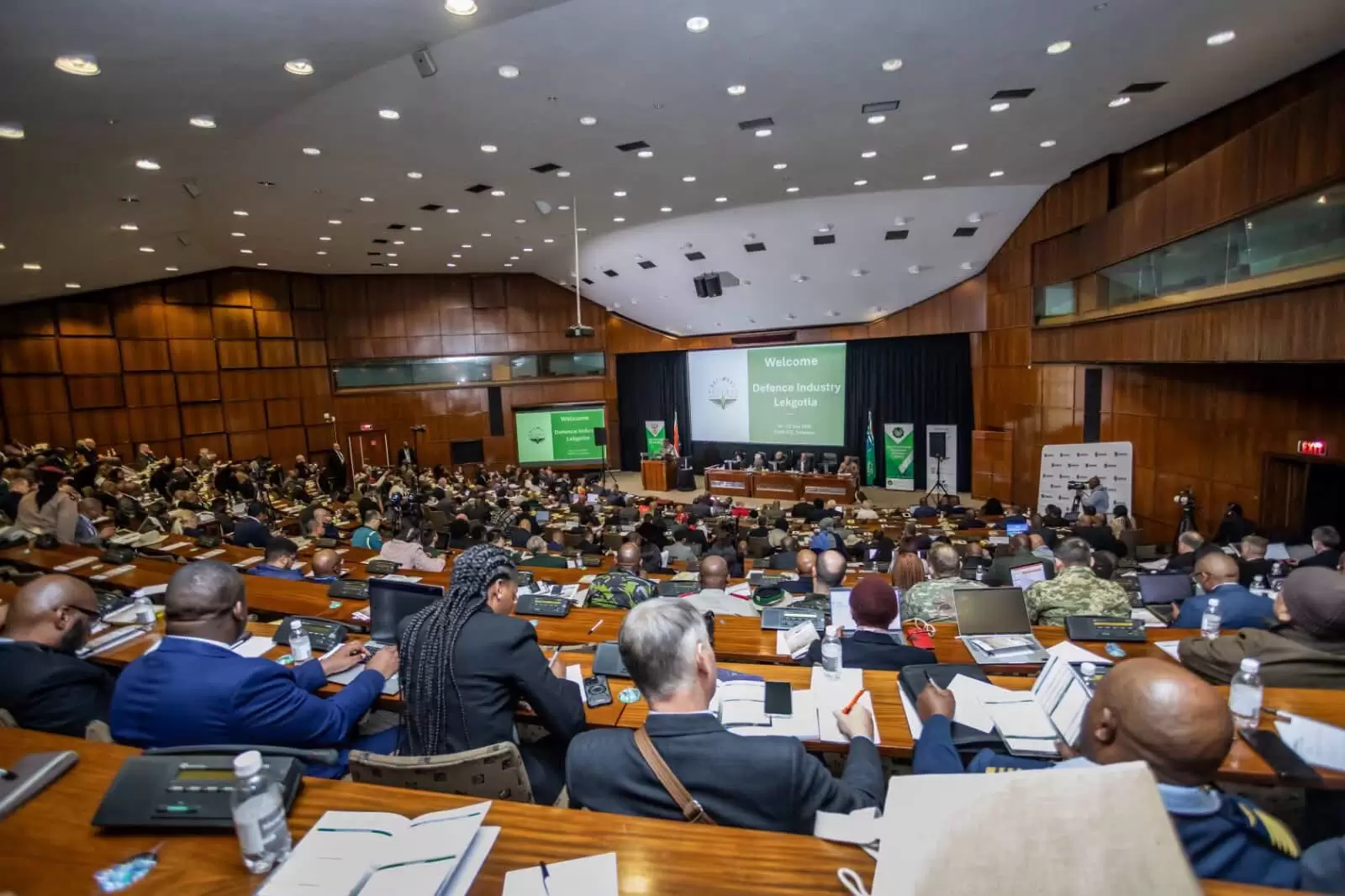
The Chief of the South African National Defence Force (SANDF), General Rudzani Maphwanya praised local companies for surviving by exporting products overseas after losing the domestic military as their main buyer.
General Maphwanya called for a new operational model called “Maintain and Modernise,” where aging military equipment is not just repaired, but also upgraded with modern technology.
“The ideal is that the SANDF switches from an MRO approach, to a Maintain and Modernise approach. When equipment is called in for industry-level repair, it must simultaneously be upgraded with relevant technology to adapt it for different operating environments,” he said.
The summit runs until Wednesday, 22 July. Over the remaining sessions, delegates will hold group discussions to draft final solutions, address strict export permit delays, and establish a clear roadmap with fixed targets.
Government and industry leaders hope these outcomes will build a stronger, self-reliant defence sector for the future.
