By Trevor Zulberg
We’ve had several calls this week from clients and business owners asking the same questions after reading the headlines about African Bank.
“Is my money safe?”
“Is the bank in trouble again?”
“Is this another bailout?”
They’re fair questions, and they deserve plain answers rather than technical jargon. So let me explain what’s really happening the same way I would explain it to a friend across a kitchen table. The first thing to understand is that the terminology matters. When most people hear that a bank is being “rescued”, they imagine the same process an ordinary business goes through when it falls on hard times. In reality, the two situations are very different, and the confusion is understandable.
African Bank has faced major challenges before. Over the past three decades, it has reinvented itself more than once. In 1995, the bank experienced financial difficulties and was acquired and restructured. Then, in 2014, came its defining crisis. The South African Reserve Bank placed the bank under curatorship and, together with a consortium of commercial banks and the Government Employees Pension Fund (GEPF), supported a rescue package worth approximately R10 billion.
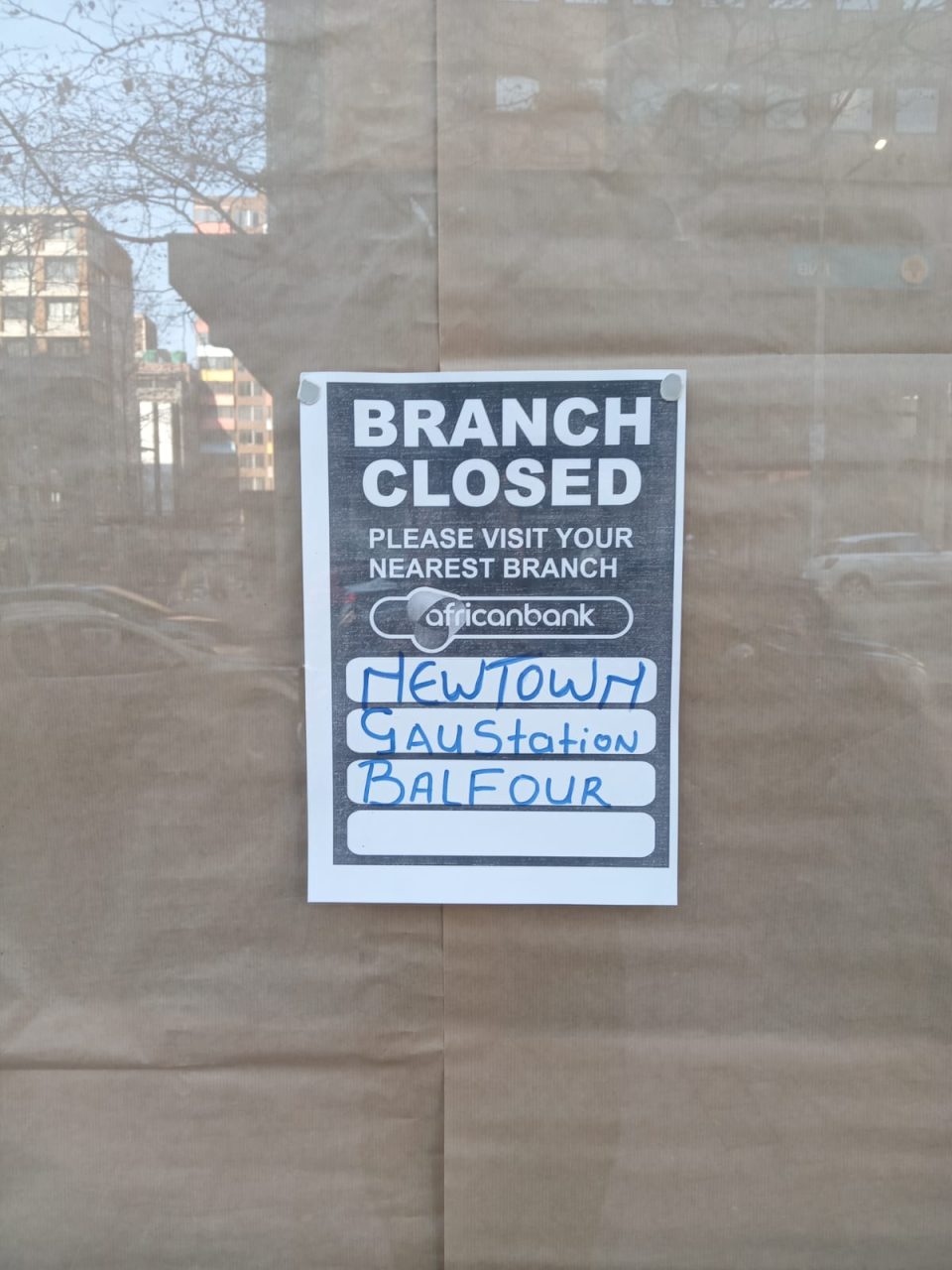
The bank’s viable operations continued trading in a newly structured entity, while its impaired assets and legacy debt were separated and gradually wound down. That was a genuine rescue but a very specific type of rescue applicable to banks. Today’s situation is very different. Despite recent headlines, African Bank is not being bailed out. Its management has announced a restructuring programme that includes closing selected branches and reducing operating costs because expenses have been growing faster than revenue. There is no indication that the South African Reserve Bank (SARB) has intervened, nor is there any suggestion that depositors’ funds are at risk.

This is a business responding to changing economic conditions and improving efficiency not a bank being saved from collapse. The difficulty is that the word rescue is often used to describe three very different situations. Separating these concepts is important. A restructure is what a healthy or fundamentally viable business undertakes to remain competitive. It reduces unnecessary costs, streamlines operations, improves efficiency and positions the organisation for long-term growth. Rather than signalling failure, restructuring is often evidence of disciplined and proactive management.
Business rescue, however, is something entirely different. It is a formal legal process established under South Africa’s Companies Act for financially distressed companies. An independent Business Rescue Practitioner is appointed to take temporary control of the company, preserve value where possible, protect jobs where practical, and develop a rescue plan that offers creditors a better outcome than liquidation.
At Optimé Africa, we assist businesses across the full spectrum of financial distress. In many instances, that involves helping directors restructure and stabilise their businesses before formal business rescue becomes necessary. In others, we accept appointments as Business Rescue Practitioners. In every case, the objective remains the same: preserving value, protecting stakeholders and giving viable businesses the best possible opportunity to recover.
Banks, however, operate under a different legal framework. Registered banks do not fall under the business rescue provisions of the Companies Act. If a bank experiences severe financial distress, it is dealt with under South Africa’s banking resolution framework, with the SARB taking action to protect depositors, maintain confidence in the financial system and minimise disruption to the broader economy. That is what happened in 2014. It is not what is happening today.
There is an important lesson here for every business owner not just those in the banking sector.
In most of the restructurings, turnarounds and business rescue matters I have handled, the crisis did not begin when the cash finally ran out. It started months or even years earlier, when costs quietly began overtaking income and difficult decisions were repeatedly postponed in the hope that the next quarter would somehow solve the problem. So, to everyone who contacted us this week concerned about African Bank, the answer is simple: read the headlines carefully.
A bank closing branches and reducing costs to improve efficiency is fundamentally different from a bank requiring regulatory intervention. They are entirely different situations and should not be confused.
African Bank has demonstrated before that it is capable of adapting to changing circumstances. Its willingness to make difficult decisions before circumstances force them offers an important lesson for every business owner. The broader message extends well beyond banking.
By the time a business runs out of cash, the underlying problems have usually been developing for months, if not years. The businesses that survive are seldom those with the largest balance sheets. They are the ones led by directors who recognize the warning signs early, make informed decisions promptly and act while they still have options. The most successful business rescues are often the ones that never become necessary. Directors who act early can frequently restructure, recover and reposition their businesses long before formal business rescue becomes the only option. In the end, the difference between restructuring and rescue is often nothing more than timing.
About the Author
Trevor Zulberg is a Certified Business Rescue Practitioner and turnaround specialist at Optimé Africa, where he advises companies, lenders and investors on corporate restructuring, business rescue and business recovery.