
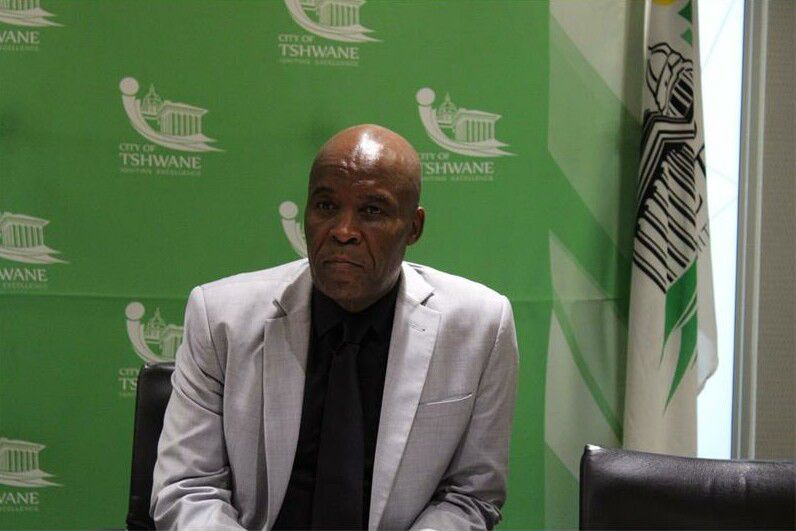
Picture supplied
Tshwane residents will face new tariff increases but could see increased investment in water, electricity and infrastructure maintenance after the City tabled its R58,5 billion budget for the 2026/27 financial year.
The municipality also says it has reduced its Eskom debt as part of ongoing efforts to stabilise its finances and strengthen service delivery capacity. Tabling the budget at Tshwane House in Pretoria, Deputy Executive Mayor and MMC for Finance, Eugene Modise said the City had reduced its historical Eskom debt from R6,66 billion to about R4,73 billion.
He said the reduction forms part of a broader financial turnaround strategy aimed at restoring stability in a municipality that has faced years of financial strain. Modise said the 2026/27 budget has been assessed by National Treasury as credible and fully funded, signalling improved financial governance compared to previous years.
According to the City, the R58,5 billion budget consists of a R55,7 billion operating budget and a R2,8 billion capital budget, with an expected operating surplus of R1,4 billion. This surplus will be redirected towards infrastructure development and long-term investments. Residents will, however, feel the impact of higher municipal charges in the new financial year.
The City said it has partially absorbed Eskom’s 9.01% electricity tariff increase, resulting in an 8.8% hike for electricity tariffs. Water tariffs will increase by 10%, sanitation by 5%, refuse removal by 4.1%, and property rates by 5%.Modise said the City is continuing efforts to improve revenue collection, including intensified disconnections under the “Tshwane Ya Tima” campaign targeting households and businesses that fail to pay for services.
A significant portion of the budget has been directed toward service delivery improvements and infrastructure maintenance. Tshwane has allocated R1,4 billion for day-to-day repairs and maintenance, which officials say is aimed at addressing long-standing service delivery challenges.
The Water and Sanitation Department will receive R3,15 billion over the next few years to repair leaks and improve water supply systems, while the Energy and Electricity Department has been allocated R2,182 billion to upgrade aging infrastructure. The City says more than half of its electricity transformers are over 40 years old, increasing the urgency for upgrades to prevent breakdowns and outages.
Modise also announced a shift away from heavy reliance on private contractors, with the City increasing internal capacity for services such as security, water delivery support, and waste management. This move, he said, has already saved R344,4 million. Part of the budget also addresses labour obligations, including provision for the payment of a 3.5% salary back-pay agreement owed to municipal workers.
Despite financial pressures, the City said it is maintaining support for vulnerable households. Through its Debt Relief Scheme, Tshwane has written off R4,3 billion in debt for more than 85 000 indigent households. Modise said the City’s financial recovery plan aims to balance fiscal discipline with service delivery improvements. “Through these investments, we are building a City that is financially stable, technologically enabled and service-oriented,” he said.
